
When Is the Best Time of Year to Pave a Commercial Lot in the Midwest?

Late summer into early fall is the best time to pave a commercial lot in the Midwest. If you're reading this in August with a lot on your repair list, the timing works in your favor. The year's most reliable paving window is open right now. It's also the last one before winter.
Paving during the wrong month is expensive. A parking lot that’s paved outside that window can fail years ahead of schedule. The repair bills then arrive on a surface you just paid to install. So, getting the month right protects the money you're already spending.
Below, we'll walk the Midwest paving calendar season by season. Then we'll get into the booking math and the one question that shows you which contractor will protect your lot when the temperature drops. By the end, you'll have a date in mind and a shorter list of bidders.
The Midwest Paving Calendar, Season by Season
The month a parking lot gets paved shapes how long the pavement lasts. That's because the results of asphalt work depend on the ground under the lot and the air above it. Here's how each season treats a paving project.
Spring: Warm Air, Wet Ground
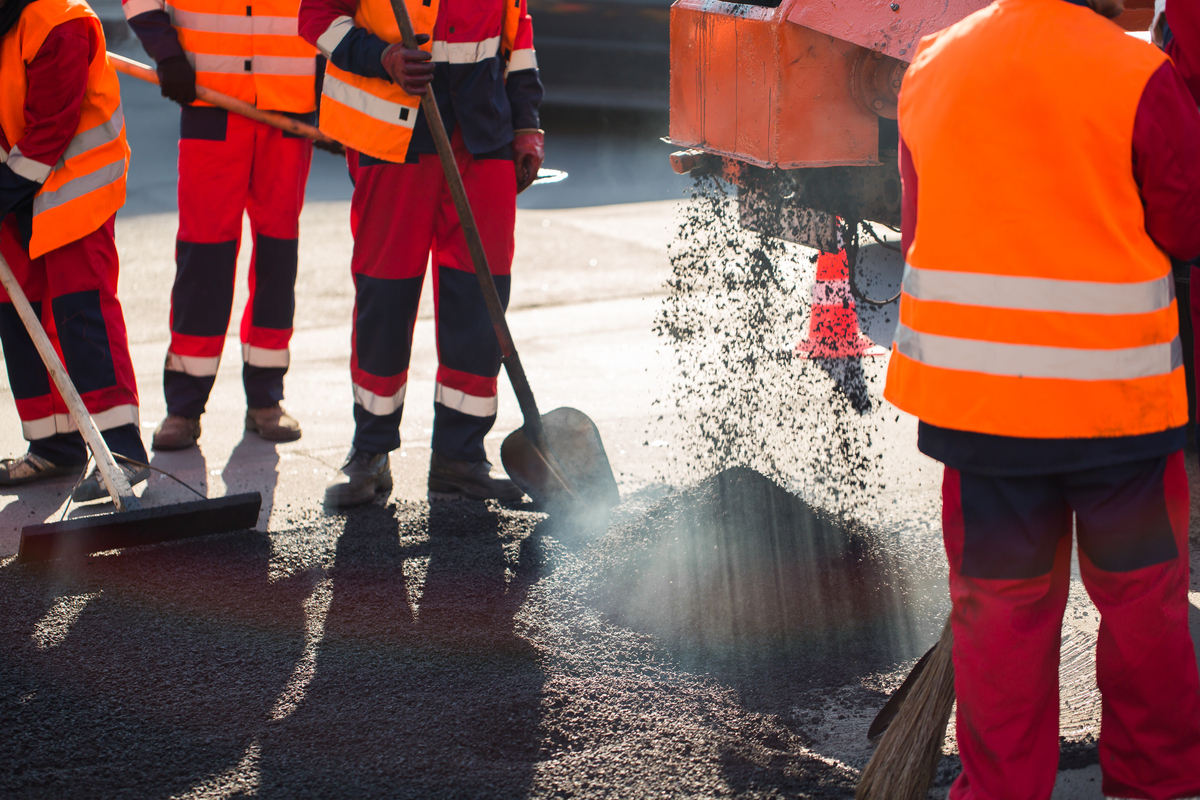
In spring, the air warms before the ground does. A parking lot can hit paving temperature in April while the ground base underneath is still soaked with snowmelt and spring rain. That's a problem, because fresh asphalt needs firm support from the very first pass of the roller. So when a crew paves over a soggy base anyway, the weakness gets sealed in before the first car ever parks on it.
Summer: Peak Conditions, Packed Schedules
Summer solves the ground problem of spring but creates a new problem: demand. Long, hot days make June and July the easiest months to lay asphalt well. Every property manager in the region knows it, too. So summer schedules fill up months before the season even starts.
Late Summer and Early Fall: The Booking Sweet Spot
This stretch gives you summer's paving conditions without summer's waiting list. By late August, the base under a parking lot has had months to dry out. Daytime temperatures still sit in the range asphalt needs, but without the July heat waves that keep fresh pavement soft. And because the summer rush is winding down, crews have room on the books again. A surface paved in this stretch goes down on solid ground and finishes curing before freeze-thaw season sets in. That's why, for most Midwest parking lots, this window beats anything else on the calendar.
Late Fall and Winter: When Good Crews Stop
By late October, the weather starts working against the crew. Fresh asphalt has to be compacted while it's still hot. Cold air cools it quickly, which leaves less time to do the job right. That's why good crews wait for daytime temperatures of 50 degrees or warmer instead of gambling on one warm afternoon. A pour that goes down colder than that can trap small gaps where water settles in. When winter freezes that water, it expands and cracks the pavement from the inside out. So a parking lot paved too late can fall apart before it sees a single summer of traffic.
Booking the Window Before It Closes
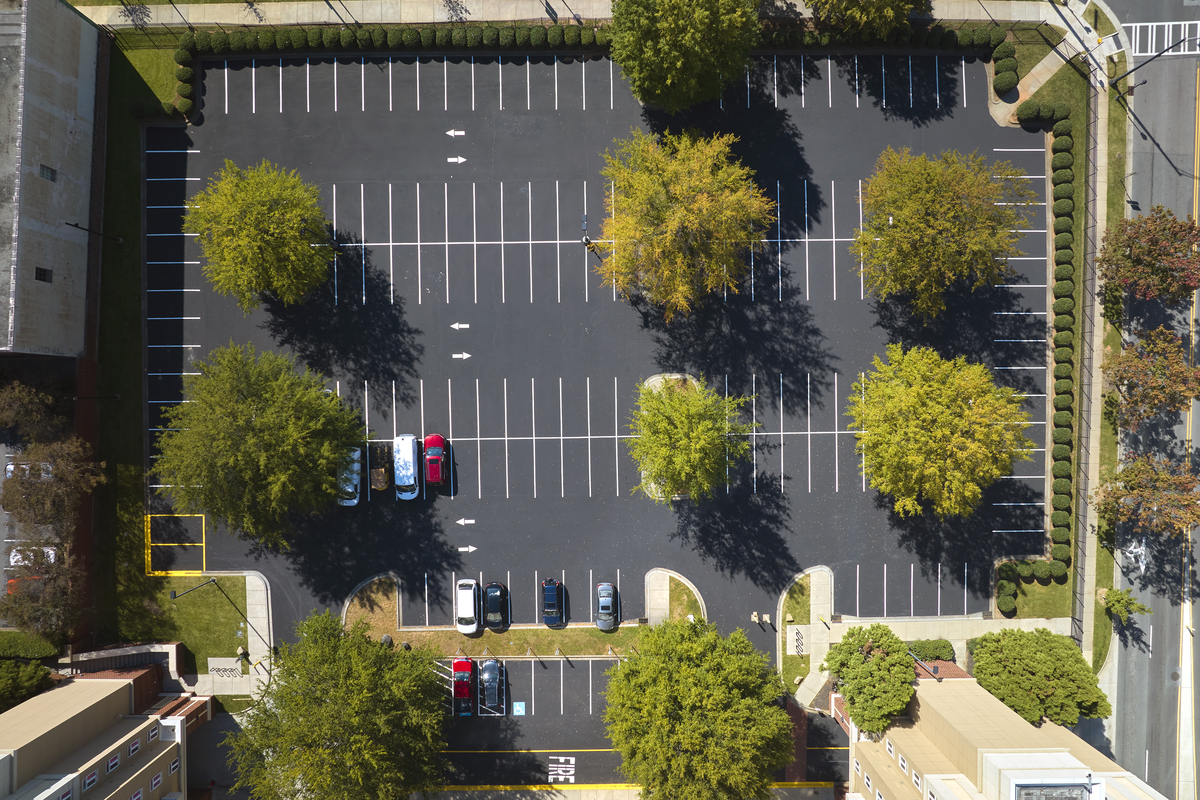
Here's the math that turns August into a deadline. A commercial parking lot paving project takes three to five days of actual paving. But the crew isn't on site for just those days. Site prep and excavation come first. A smart schedule also keeps a day in reserve, in case a storm pushes everything back. So one project really claims a week or more of a crew's calendar. And yours isn't the only parking lot in the region competing for those weeks before the season ends.
At Pinnacle Paving & Sealing, our schedule fills several weeks ahead of the work itself. A project booked in August usually goes down in September, while the weather is still on your side. But an owner who waits until October to call may not get a slot before the season closes at all. And waiting won't lower the price, either. A late booking leaves no room to wait out a storm. That puts pressure on everyone to pour in conditions they shouldn't. When that happens, the job comes back as repairs nobody budgeted for. Booking early in the weeks that are left gives the crew room to do the job right instead of fast.
When a Contractor Should Tell You No

Somewhere in your bid stack, there may be a contractor willing to pave in any conditions to close the sale. Before you take them up on it, think about what that offer means. The temperature limits in the last section don't bend for anyone's schedule. So a crew that's willing to pour below them is telling you how it makes decisions under pressure. The pour might look fine in November. But the cracks wait until April to introduce themselves.
A good crew answers the same request differently. Instead of saying yes to a risky pour, they'll name the temperature that stops their work. And if the season has already closed, they'll point you toward smaller repairs that fit the conditions. Sealing cracks and patching potholes can carry a parking lot through the winter. That answer hands the contractor a smaller invoice today. But it tells you exactly whose asset they're protecting.
You can run that test on every bidder with two questions. First, ask what temperature stops their crew. A specific number is a good answer, while a shrug means the cut-off moves with the sales target. Then ask what happens to your schedule if the weather turns. A good answer shows up in the contract. It should name the temps that pause work and how rescheduling gets handled. And a contractor who tells you to wait, even when it costs them the job, has already shown you how they'll run the rest of it.
Plan Your Midwest Paving Window with Pinnacle
Timing your project well is half the decision. The other half is the crew you book it with. Pinnacle Paving & Sealing has scheduled parking lot paving around Midwest winters for more than twenty years. We've seen what a late pour costs an owner by spring. So we plan every project around the weather instead of against it. When waiting is the right call, we say so. And when the window is open, we move. Your new surface goes down and cures before the first hard freeze.
Right now, the window is open. Request an estimate while there's still room on this season's calendar. We're on it.
