
How Rising Fuel Prices Affect Commercial Paving Costs (And How to Lock in a Better Price)
How Rising Fuel Prices Affect Commercial Paving Costs (And How to Lock in a Better Price)
If you're budgeting for paving work this year, the numbers are shifting under your feet. The price for crude oil has pushed past $110 per barrel. Construction input prices spiked at a 12.6% annualized rate in early 2026. Gas prices are climbing, asphalt binder is climbing with them, and paving season hasn't even started yet.
We keep a close eye on these numbers because they directly affect what we bid. And right now, they're telling us the same thing we're telling our clients: get on the schedule before summer. The pricing you lock in now will be better than what's coming.
Below, we'll walk you through what's driving costs up, how fast those changes reach your bid, and what you can do right now to stay ahead of them.
What's Driving Paving Costs Up Right Now
We're seeing cost pressure from every direction this year, and it's hitting all at once.
Crude oil is up more than $35 per barrel compared to last year. Asphalt binder is a petroleum byproduct, so when crude climbs, binder follows. We run diesel in everything on a job site; trucks, loaders, pavers, plants. When diesel goes up, we feel it before you do, and it shows up in the bid.
Tariffs on steel and aluminum are adding cost to drainage work, catch basins, and reinforcement. If your project includes any of those, that's another line item trending upward.
Nonresidential construction materials input prices were 3.7% higher in February than the same month last year. Those numbers were measured before the sharpest oil increases hit. The trend hasn't leveled off. It's still going up.
.jpg)
How Oil Prices Hit Your Paving Budget Within Weeks
When gas prices make the news, the impact on your paving project is already in motion. Here's the chain we watch on our end:
- Asphalt binder tracks crude oil directly. A 1% rise in crude means roughly a 0.7% rise in binder.
- Expensive crude means less asphalt production. Refineries chase higher margins on gasoline and diesel. That tightens binder supply and pushes prices up further.
- Diesel compounds the hit. A $10 jump in crude can add 2-3% to asphalt costs, and the diesel impact on hauling and equipment stacks on top.
This chain moves in weeks. A bid we price in April and a bid we price in June for the same scope of work can come back at different numbers. The cost of concrete versus asphalt shifts with these same inputs, but asphalt's direct tie to petroleum makes it more volatile.
We don't set prices once a year and hold them. Our bids reflect what materials cost when we price the job, and right now those costs are changing month to month. That's why moving sooner gives you a real advantage.
Why Timing Your Project Changes What You Pay
Paving season in the Midwest runs roughly May through October. Once it starts, crews book up, equipment gets scarce, and plant time fills fast. That scarcity pushes pricing higher on its own, separate from anything happening in the oil market. If you're calling contractors in July, so is everyone else. Longer wait times, tighter schedules, and higher prices all come with the territory.
The best time of year to pave is before the rush. Planning and budgeting in the off-season gets you on the schedule when there's still room to work with.
That early start helps us do better work for you, too. We can phase the job around your business hours, keep parking open for tenants, and line it up with other site projects. Once the calendar fills up, those options shrink. The earlier we plan together, the more we can work around your operations instead of asking you to work around ours.
The Cost Most Property Managers Don't See Coming
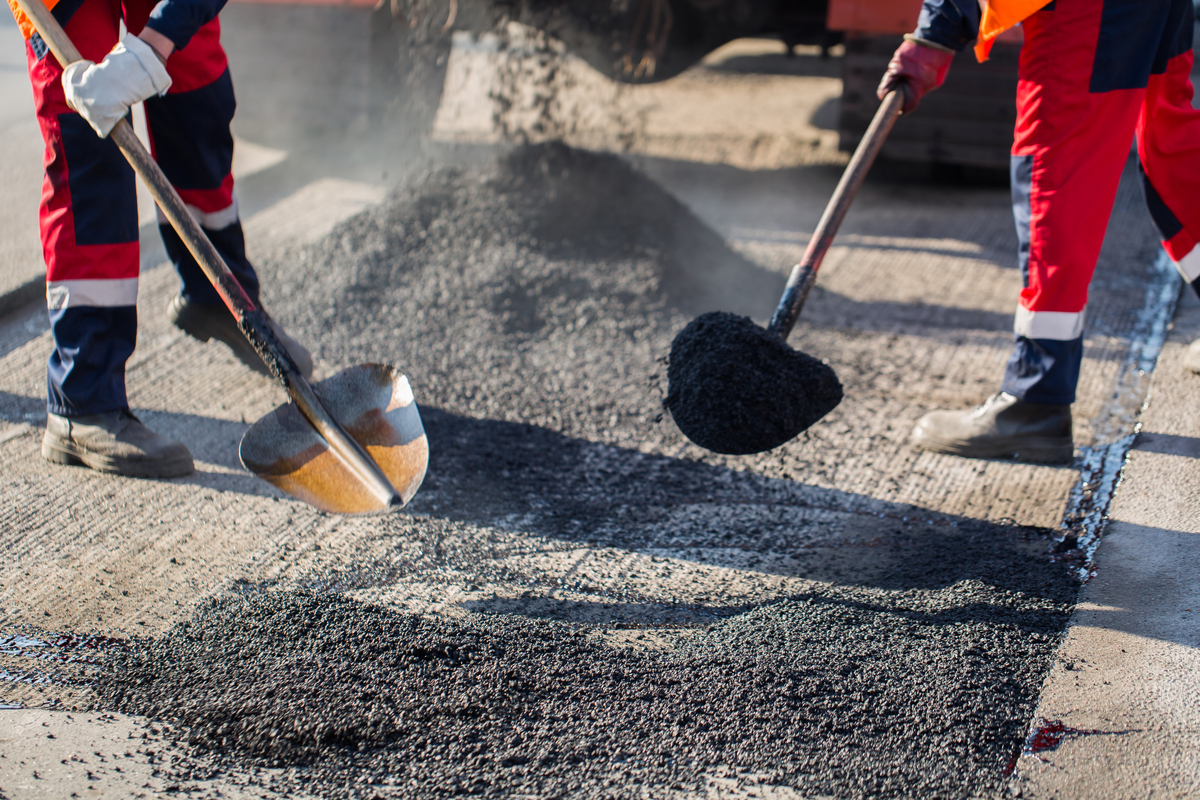
Every time a paving crew comes to your site, you're paying for the trip. That's mobilization. It covers getting trucks, equipment, materials, and crew to your location and setting up traffic control. It hits the bid whether the crew is there for one patch or an entire lot.
Three problem areas fixed in three separate visits means three mobilization charges. Bundle them into one trip and that number drops. Say you've got a parking lot that needs patching, a drive lane with drainage issues, and a loading area that's cracking. One coordinated visit handles all three for one mobilization cost. The same goes for recurring maintenance. Batch your crack sealing, sealcoating, and spot repairs into one visit instead of separate calls throughout the year.
Mobilization is one of the first things we look at during a property walk. It's a cost that rewards planning, and planning ahead is what we do.
How to Protect Your Budget Before Peak Season
The window to get ahead of 2026 pricing is open right now.
Get a site assessment now. We'll walk your property, see what's urgent, and figure out whether repair, resurfacing, or replacement makes the most sense. Getting that clarity now keeps you from making rushed calls later.
Lock in your spot on the schedule. Once crews are booked for summer, pricing reflects that demand. We'll walk you through how fuel surcharges, price indexing, and mobilization work in your bid. No surprises on the invoice.
Phase work across budget cycles. You don't have to do everything at once. We build phased plans that spread spending and cut mobilization costs, so you can tackle what matters most now and plan ahead for the rest.
Invest in maintenance now. Crack sealing and sealcoating extend pavement life and push back the timeline on major work. That buys you time, especially when material costs are this elevated.
Lock in Your Price with Pinnacle Paving & Sealing Before the Season Catches Up
Fuel prices, material costs, and seasonal demand are all pushing paving costs higher this year, and all three are still climbing. The best pricing available in 2026 is right now, before the schedule fills up.
We're already watching these trends for our clients across the Midwest. We plan around them so you don't get caught paying peak-season rates for work you could have locked in weeks earlier.
If you're planning paving work this year, we're on it. Request an estimate and let's get your project on the schedule.
