
When to Choose Concrete Over Asphalt for Your Commercial Property
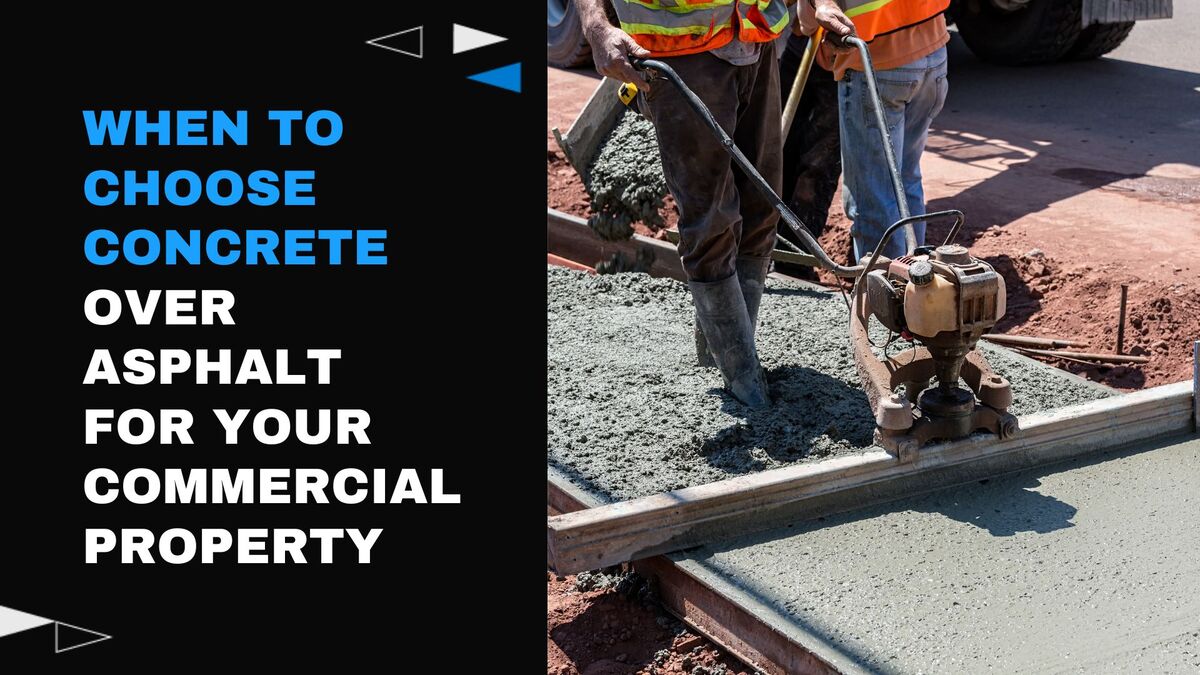
If you're planning a commercial paving project, you've heard the debate. One contractor pushes asphalt on price. Another pushes concrete on lifespan. Both have a point, and both are missing the bigger picture.
The real question isn't which material wins across your whole property. It's which one belongs where. Different zones take different abuse. The material that works in your parking field isn't the one that belongs under your dumpster. Anyone who tells you otherwise is selling a one-size-fits-all answer to a multi-zone problem.
At Pinnacle Paving & Sealing, we install both and recommend the one that fits your conditions. Here's how to think through that decision zone by zone.
The Decision Starts with Traffic, Not Price
Most asphalt vs concrete comparisons start with cost per square foot. That number matters, but it won't tell you much on its own. The better starting point is what's driving over each area, how heavy those vehicles are, and how long they stay in one spot.
Asphalt is flexible. It pushes load downward through its base layers, and it handles normal traffic well. But when the load gets too heavy, the surface gives. You get ruts, dips, and cracks that come back no matter how many times you patch them. If that cycle sounds familiar, keep reading.
Concrete is rigid. It spreads load across a wider area on its own. A 5-inch concrete slab carries the same load as an 8-inch asphalt section. Once you know what each part of your property handles, the right material becomes obvious.
Where Concrete Outperforms Asphalt on Commercial Properties
Most commercial properties have a few high-stress zones where asphalt fails early and keeps failing. Heavy weight, repeated impact, tight turns, or chemical exposure push flexible pavement past its limits. If you've been patching the same spots every couple of years, there's a structural reason. It's worth understanding before you patch them again.
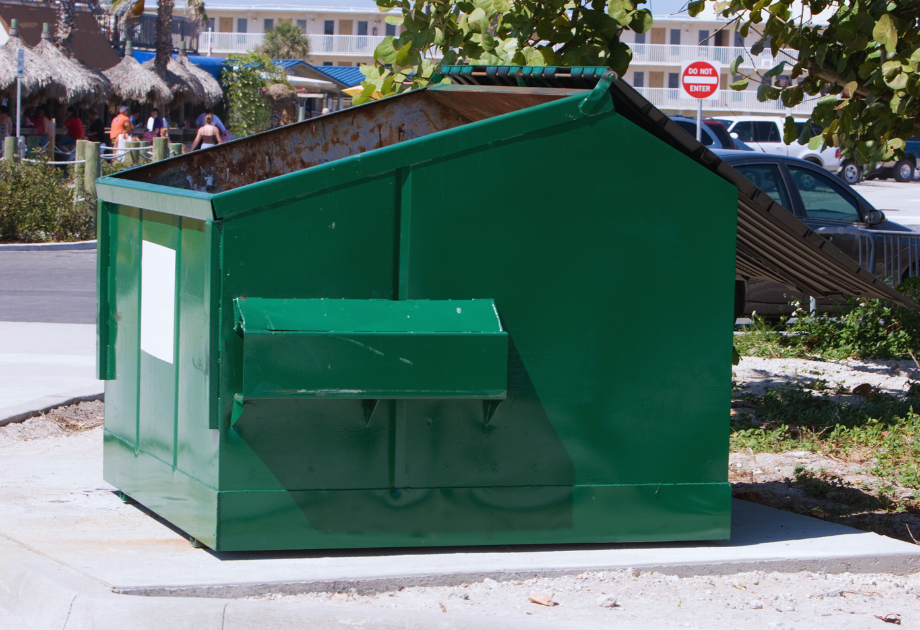
Dumpster Pads and Trash Pickup Areas
Dumpster areas take a beating most people don't think about until the pavement falls apart. Metal corners dig into flexible pavement every time the container gets set down or shifted. Trash trucks put massive force through their front wheels and hydraulic lifts, and those loads hit the same spot week after week. Hydraulic fluid and oil leaks soften asphalt but don't touch concrete.
A reinforced concrete dumpster pad with rebar or wire mesh handles this abuse without deforming. Build the pad 10 to 15 feet out from the enclosure so the truck's front wheels rest on concrete during pickup. That one detail protects the surrounding asphalt.
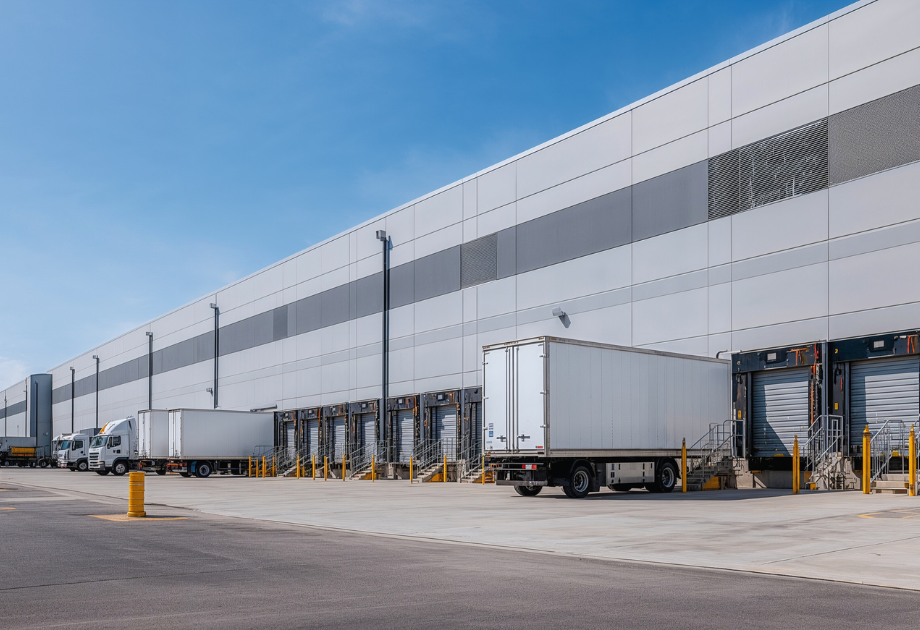
Loading Docks and Truck Aprons
Loading docks take a beating from every angle. Fully loaded semis roll in with heavy axle loads, then turn and back at slow speeds before idling in the same spot for hours. It's a lot to ask of any surface.
Asphalt softens under that kind of sustained, stationary weight, especially in warm weather. You'll see ruts in the apron, dips where trailers park, and surface shoving at turn points. That's not bad luck; it's flexible pavement under loads it can't support. Concrete holds its shape under this stress, which is why it's the standard in industrial and distribution settings.
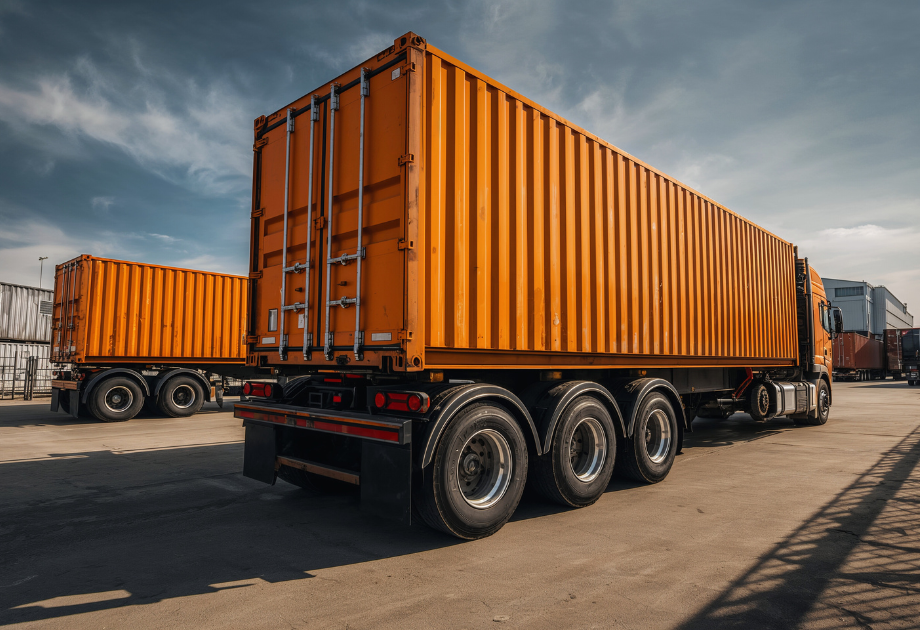
Heavy-Turn Drive Lanes and Entrances
When a heavy truck turns slowly, the tires twist against the surface instead of rolling over it. That creates lateral shear, a sideways force that asphalt's flexible binder can't handle. The surface pushes, shifts, and breaks down at every turn point.
Truck entrances and delivery lanes are strong candidates for concrete. So is any spot where heavy vehicles change direction often. Most facility managers don't recognize this pattern. They keep repairing the same spots without realizing the material is the problem. Lateral stress needs a rigid surface; once you make that switch, the cycle stops.
Where Asphalt Is Still the Right Call
This doesn't mean you should concrete your whole property. That would be overspending, and we'd tell you so.
Standard parking fields with car and light truck traffic work well with asphalt. The loads are lighter, traffic spreads across the surface, and the cost stays well below concrete for these applications.
Asphalt brings real advantages in these areas. It costs less per square foot. You're back in service in 24 to 72 hours instead of up to 7 days for concrete. Phased repairs are easier. And you can resurface in sections without shutting down large parts of your lot.
For retail centers, medical facilities, and multi-tenant properties, that speed advantage counts. Disruption matters at those sites. Asphalt also holds up in moderate-traffic zones when you stay on top of maintenance. That means sealcoating every 2 to 3 years and sealing cracks before they spread.
How Midwest Weather Affects Both Materials
Climate in Ohio, Indiana, and Kentucky reinforces the zone-by-zone approach.
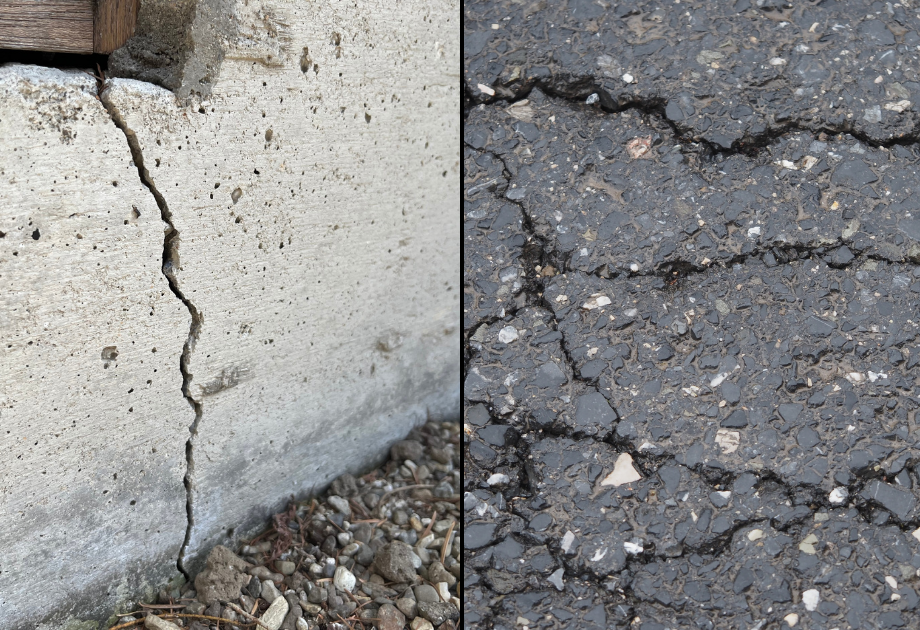
Freeze-thaw cycles hit both materials hard. Water gets into cracks, freezes, expands, and widens the damage from within. Road salt wears down concrete surfaces when joints and sealers aren't maintained. It breaks down asphalt binder over time, too. Then summer rolls in, heat softens asphalt under slow or parked heavy loads, and the problems in loading zones and truck aprons get worse. Your pavement never really gets a break from the weather here.
The practical takeaway: air-entrained concrete with proper joint detailing handles freeze-thaw well. Asphalt in standard parking lot areas holds up when sealcoated on schedule and drained properly. The Midwest doesn't favor one material. It punishes whichever one ends up in the wrong zone.
What the Numbers Actually Look Like Over Time
The upfront gap is real, and we won't dance around it. Commercial asphalt runs $3 to $7 per square foot. Commercial concrete ranges from $6 to $15 depending on thickness and reinforcement. That's a significant difference on day one.
But concrete commonly lasts 30 to 50 years in commercial use, while asphalt typically needs major work at 15 to 20 years. Asphalt also carries ongoing costs: sealcoating every 2 to 3 years, patching, and eventual resurfacing. Concrete needs joint sealing and little else. In high-stress zones, that difference adds up fast.
The number that matters for capital planning is cost per year of service. For lighter-traffic parking areas, asphalt's lower upfront price may still win. The math depends on the zone, which is why budgeting for paving projects starts with understanding what each area demands.
Pinnacle Paving & Sealing Recommends What Your Property Needs
Smart commercial parking lot paving decisions aren't about picking one material. They're about matching each zone to the material built for its conditions.
Pinnacle Paving & Sealing takes this approach across Cincinnati, Columbus, Indianapolis, and Louisville. We look at traffic patterns, load types, turning movements, drainage, and maintenance history. We walk the site with you and recommend the right mix of asphalt and concrete for long-term performance. Sometimes that means the less expensive option.
Ready to figure out the right plan for your property? Request an Estimate or Talk with Our Team.
