
Resurface or Replace? How to Choose the Right Fix for Your Commercial Parking Lot
Resurface or Replace? How to Choose the Right Fix for Your Commercial Parking Lot
Every parking lot shows wear over time. Cracks spread, surfaces fade, and sections that once looked solid begin to break down under daily traffic and seasonal weather. The repair decision that follows determines whether your investment holds or whether you end up paying for the same problem twice.
The answer depends on what is happening beneath the surface. Visible cracking and fading don’t always mean the pavement is finished. Base condition, drainage performance, and traffic load are what determine which repair method will actually last.
In this article, we break down how to assess your lot's condition, what each repair method involves, and how to choose the approach that protects your pavement and your budget.
How to Tell If Your Base Has Failed
Surface damage is easy to spot. Base failure requires closer attention, but it leaves consistent warning signs that property managers can identify during routine walkthroughs.
The most common warning signs include:
- Alligator cracking, where interconnected cracks resemble reptile skin and signal that the base has settled or failed underneath
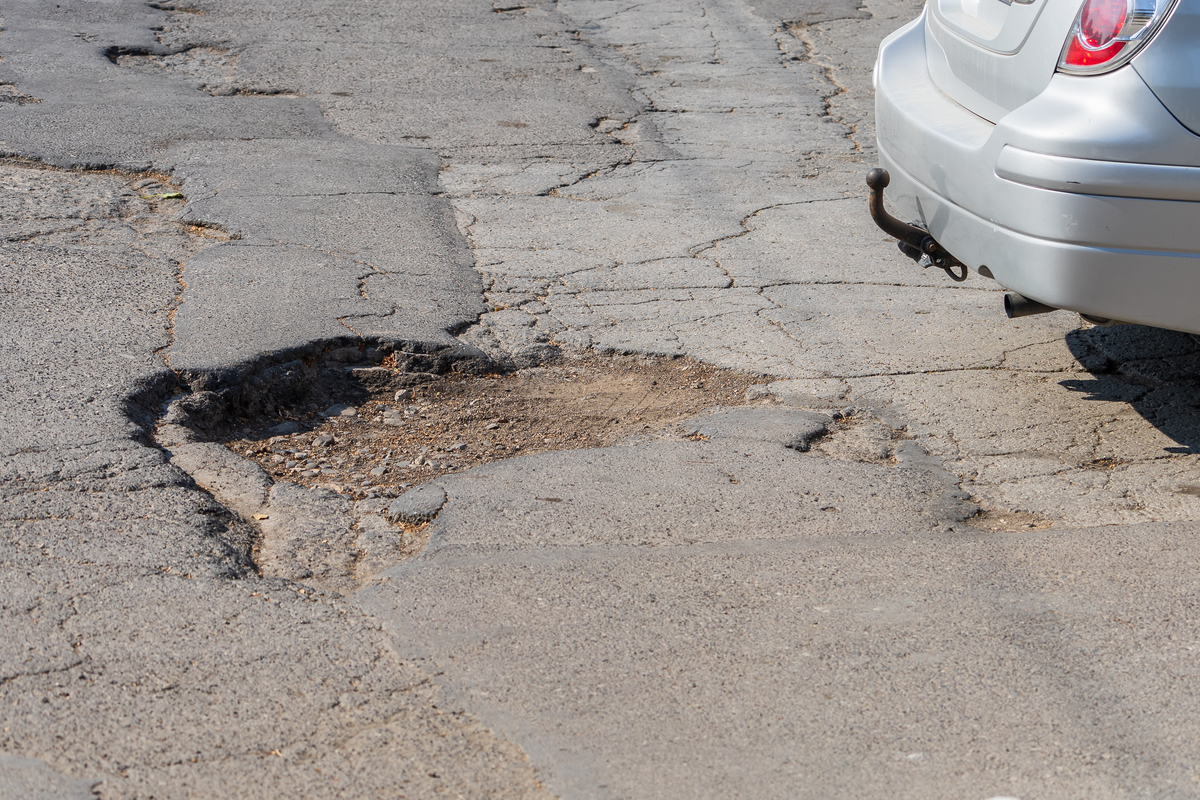
- Recurring potholes that return after filling, which indicate the base is no longer supporting the patch
- Edge deterioration where pavement crumbles along the perimeter, pointing to base erosion
- Standing water that collects in the same spots repeatedly, revealing drainage failure and saturation below the surface
These are structural symptoms that resurfacing cannot correct. Walking your lot regularly helps identify early signs, but professional evaluation through core sampling reveals what the surface doesn’t show.
When Resurfacing Makes Sense
Resurfacing works when the foundation underneath is still stable. Strong candidates share a few common conditions: a sound base layer, damage covering less than 25 to 30 percent of the lot, relatively shallow and narrow cracking, and functional drainage.
Maintenance history plays a role here as well. Lots that have been seal coated and crack filled on a regular schedule are stronger candidates than neglected lots where water has infiltrated the base for years.
Traffic patterns also influence which resurfacing method fits best; light office traffic and heavy industrial loads call for different approaches and set different expectations for how long the work will last.
Resurfacing extends pavement life when the foundation supports it. It is the appropriate solution when conditions allow.
Asphalt Overlay
An overlay applies a fresh layer of asphalt, typically 1.5 to 2 inches, directly over the existing surface. It addresses surface wear, minor cracking, and fading. Think of overlay as a new surface when the foundation underneath is still doing its job.
Overlay is the fastest and most affordable resurfacing option. A quality overlay can last 10 to 15 years under moderate commercial traffic if the base remains sound. It works well for office parks or retail centers with predictable traffic patterns and consistent maintenance history.
Mill-and-Fill
Mill-and-fill removes 1 to 3 inches of damaged surface asphalt, then replaces it with fresh material at the same depth. This method handles deeper cracks, minor rutting, and surface-level structural issues that overlay cannot address.
The cost typically runs 20 to 40 percent more than overlay, but mill-and-fill corrects problems overlay would only cover up.
A hospital parking lot with rutted drive aisles or an industrial facility where heavy trucks have worn the top layer are both strong candidates. With proper maintenance, mill-and-fill delivers 10 to 15 years of service life.
When You Need Full Replacement
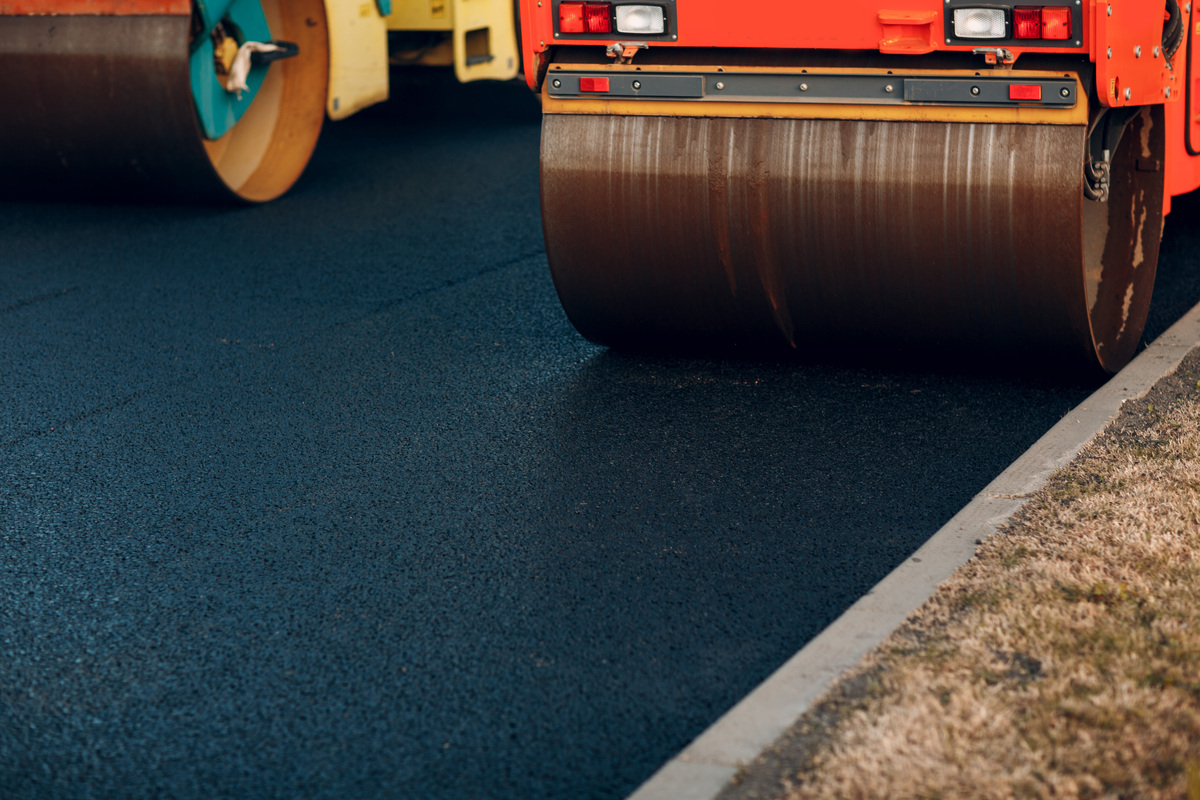
When the base has failed, resurfacing only delays the problem. Full replacement removes the existing asphalt and base material entirely, rebuilds the base layer with proper grading and compaction, and installs new asphalt over a stable foundation.
This level of work is necessary when damage has reached the structural level: widespread alligator cracking, base settlement, chronic drainage failure, or lots originally designed for light traffic that now support heavy loads. These are conditions that resurfacing methods cannot correct regardless of how well the new surface is applied.
Full replacement carries the highest upfront cost but delivers 20 to 30 years of service life with proper maintenance.
Midwest freeze-thaw cycles and heavy salt exposure accelerate base deterioration. Lots with unresolved drainage problems reach the replacement threshold sooner than they would in milder climates.
Why Getting This Decision Right Matters (And What to Do If Budget Is Tight)
When overlay is applied over a failed base, the results rarely last more than 18 to 24 months.
Cracks reappear, potholes' return, and you end up spending 30 to 40 percent of replacement cost on work that didn’t hold. The full replacement is still needed, and the total expense is now significantly higher than if the right method had been chosen from the start.
Budget constraints are real, and full replacement is not always possible in a single year. A phased approach can help bridge the gap by addressing the worst sections first and overlaying less damaged areas with a plan to complete the work over two to three years.
Phasing is a strategic bridge that buys time, not a permanent solution. The goal is to direct resources where they will hold rather than spread them across repairs that cannot last.
What a Professional Evaluation Reveals
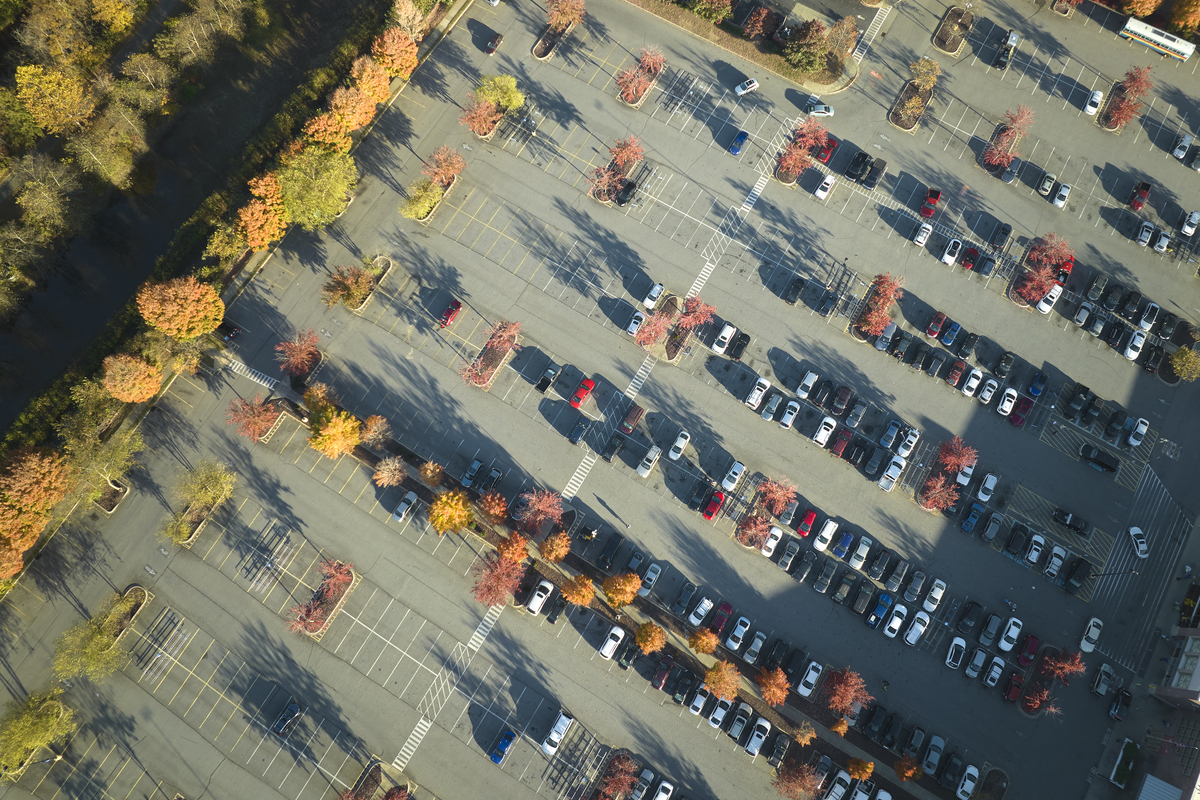
Surface appearance alone doesn’t tell you whether the base can support resurfacing. A professional evaluation looks beneath the surface to determine which repair method the pavement can actually sustain.
A professional evaluation includes:
- Visual surface inspection with crack mapping and pothole documentation
- Core sampling to check asphalt thickness and base integrity
- Drainage pattern analysis to identify where water collects or saturates the base
- Traffic load review to determine what the pavement needs to support
- Maintenance history assessment to understand how the lot has been managed over time
Contractors with regional experience understand how local climate and soil conditions affect performance.
An honest evaluation reveals the difference between pavement that looks bad and pavement that is structurally compromised. That distinction determines whether you resurface or replace.
Partner with Pinnacle Paving & Sealing to Get It Done Right
Pinnacle Paving & Sealing evaluates base condition, traffic patterns, drainage, maintenance history, and budget realities before recommending a repair path. We have spent more than 20 years paving commercial and industrial lots across Cincinnati, Columbus, Indianapolis, and Louisville.
When overlay is the right answer, we say so. When replacement is necessary, we explain why. The recommendation matches the condition of your lot, not the size of the project.
Need an honest assessment of your parking lot? Talk with our team to get a professional evaluation and a repair plan that makes sense for your property and budget.
