
How to Keep Your Commercial Property Open During a Paving Project
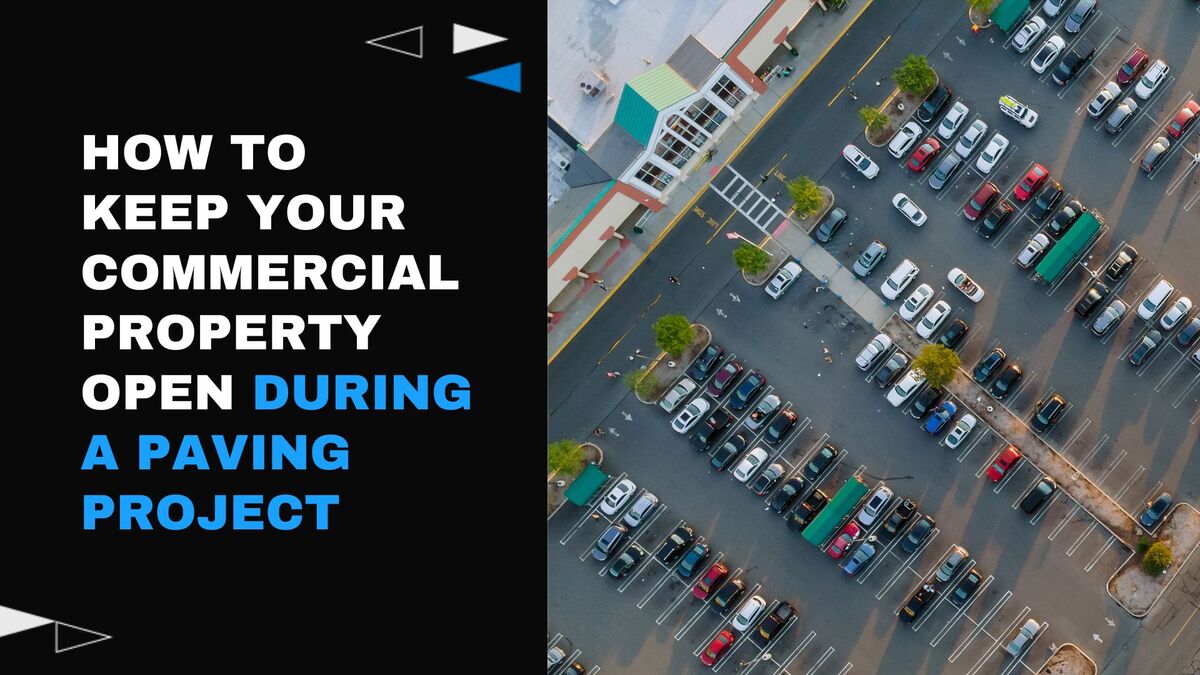
A parking lot paving project touches every part of how your property runs. Tenants need parking. Customers need access. Deliveries still have to come through. The difference between a project that disrupts all of that and one that works around it comes down to planning. A well-run commercial paving project accounts for your operations before the first truck shows up. Here's the framework.
Break the Project into Phases (and Keep Most of the Lot Open)
Phasing is the backbone of any paving plan on an occupied property. Your contractor divides the lot into zones and works through them one at a time. One section gets cordoned off with barriers and signage. The rest stays open for tenants, customers, and deliveries.
The details depend on the property type. A retail center needs customer parking to stay accessible during peak hours. That means phasing around the times when shoppers are most likely to show up. Medical facilities face even tighter limits. Patient drop-off zones and emergency access lanes can't go offline at all. A multi-tenant office building might focus on keeping the main entrances and lobby-facing parking open. Tenants notice fast when construction takes over their front door.
The tradeoff is time. Phased work takes longer than shutting down the whole lot at once. For most occupied commercial properties, though, a few extra days on the schedule is worth it. Your tenants keep access. Your customers keep coming. Your revenue stays protected.

Get Ahead of Tenant and Customer Communication
Your contractor handles construction logistics. You handle the people side. One without the other leaves gaps. The communication piece often decides whether tenants see the project as a minor inconvenience or a major problem.
Start two to three weeks before work begins. Send tenants and on-site businesses a notice with specific dates and affected areas for each phase. Include alternative parking or access routes. That level of detail goes a long way. A vague update like "paving work coming soon" creates more questions than it answers. Tenants want to know what's changing, when, and how it affects their day.
The same goes for customer-facing communication. Temporary signs at lot entrances can point visitors toward open parking before confusion sets in. Post the project schedule on your property's website or tenant portal so people can check it on their own. Loop in your facility and maintenance staff early. They'll field the most questions once work starts.
This kind of communication rhythm gets easier over time. A preventative pavement maintenance plan builds that rhythm into your property's long-term upkeep.
Use Scheduling and Traffic Control to Protect Daily Operations
Phasing and communication set the foundation. Scheduling and traffic control fill in the gaps.
Night and weekend paving is common for high-traffic retail and medical properties. The heaviest work happens during off-peak hours, so tenants and customers barely see it. If your property has predictable slow periods, aligning the schedule with those windows cuts the impact even further. Off-hours work sometimes costs more. That's worth knowing upfront. For properties where daytime disruption would cut into revenue or patient access, the premium usually pays for itself.
Traffic control keeps the site organized while work is underway. Directional signage tells drivers where to go before they have to guess. Cones and barriers separate active work zones from open areas. Pedestrian routes keep sidewalks clear. Open entrances stay clearly marked so no one wonders whether your property is still open. These details add up. When they're in place, your lot still looks and works like the business it is.

Ask Your Contractor These Questions Before You Sign
Everything above only works if the contractor has actually planned for it. The easiest way to find out is to ask.
How will you phase the project, and can I see the zone map before we sign? A contractor who has done this work before should have that map ready. If they can't produce one, they're planning to figure it out on site. That means you won't know which areas are affected or when, and neither will your tenants.
Who is my day-to-day contact for schedule changes or issues during the work? You need a direct line to someone who can make decisions. A general office number won't help when a delivery truck can't reach the loading dock.
How will you keep routes open to entrances, loading areas, and emergency lanes during each phase? The answer should be specific to your property. An experienced commercial paving contractor will talk about the layout and the traffic patterns. They'll reference your property type specifically. A generic answer is a red flag. It means they haven't thought through how your parking lot repair or resurfacing project affects the people who depend on that lot every day.
Have you done phased work on a similar property type before? A retail center, a medical facility, and a warehouse all have different traffic patterns and access needs. The contractor's experience should match the kind of property you're managing.
What happens if weather or site conditions push the schedule? Delays happen. What you want to hear is how they'll communicate changes, adjust the phasing plan, and keep your tenants informed. A contractor with a contingency process won't leave you scrambling.
Good contractors welcome these questions. They've already built their process around the answers.
Pinnacle Paving & Sealing Plans Around Your Operations
A well-planned paving project protects your tenants, your customers, and your bottom line. That's the difference between a contractor who shows up to pave and one who shows up with a plan.
Pinnacle Paving & Sealing brings precision planning and more than twenty years of commercial experience. The team serves Cincinnati, Columbus, Indianapolis, and Louisville. You bring the project; we bring the expertise.
Talk with Our Team for commercial paving. We're on it.
